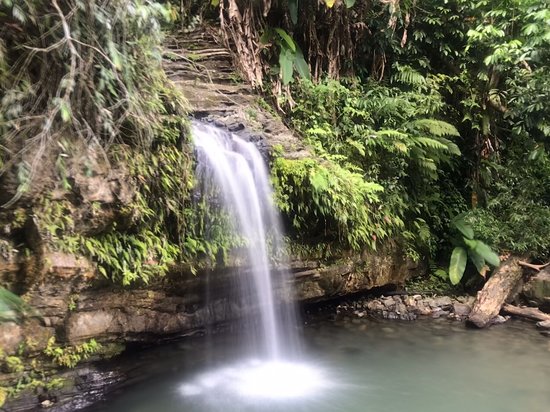
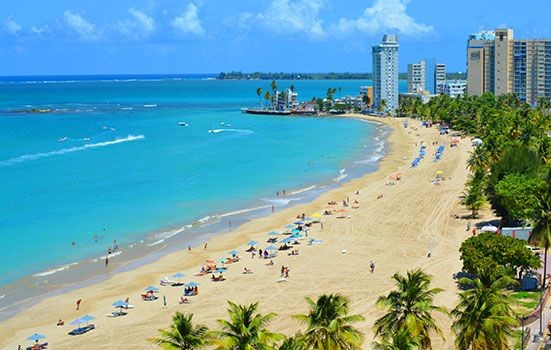
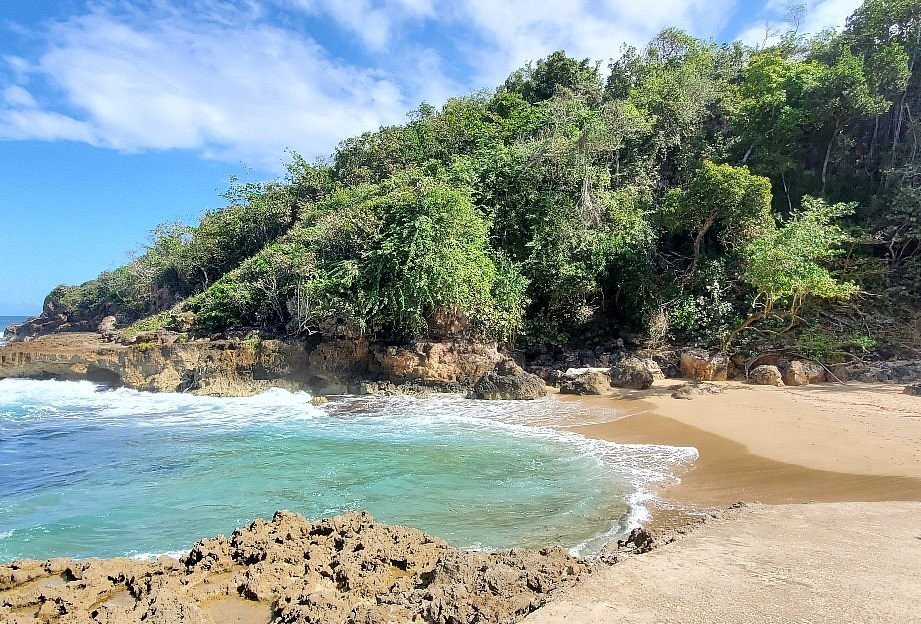
Puerto Rico is one of the easiest destinations in the Caribbean to visit, yet it still feels like a true island escape. You get turquoise water, palm-fringed beaches, colorful historic streets, rainforest hikes, and offshore islands that look like postcards. At the same time, you benefit from many conveniences you would expect in the United States: familiar currency, common language, modern highways, and widely available mobile data.
Because Puerto Rico is a U.S. territory, U.S. citizens can visit without a passport, pay for everything in U.S. dollars, and fly on regular domestic routes from major mainland cities. That simplicity often surprises first-time visitors who expect a complicated international trip. Instead, they discover that Puerto Rico is both accessible and deeply memorable, with a strong sense of culture and identity that feels distinct from anywhere else.
Where Is Puerto Rico?
Puerto Rico sits in the northeastern Caribbean Sea, between the Dominican Republic and the U.S. Virgin Islands. The main island is roughly 100 miles long and 35 miles wide, so it is big enough to contain several different regions and climates, yet compact enough that you can cross it in a half day of driving. For many travelers, that means they can combine beach time, city exploration, and nature adventures in a single trip without spending days in transit.
Overview of the Main Regions
Thinking in terms of regions makes it easier to plan where to stay and how to divide your time. Here are the major areas most visitors consider:
San Juan, Condado, and Isla Verde
This is the main metropolitan area, home to the capital city of San Juan. It combines historic Old San Juan, business districts, nightlife in Condado, and long city beaches in Isla Verde. This region works well for first-time visitors who want a bit of everything: walking tours, restaurants, bars, shopping, and convenient access to the airport. Many guided tours around the island also depart from here, so you can use it as a home base.
East Coast and the Offshore Islands
To the east of San Juan you will find Luquillo, Fajardo, and the ferry port of Ceiba. This coastline is the gateway to El Yunque National Forest, bioluminescent bays, and day-trip catamaran excursions. Offshore, the islands of Vieques and Culebra are famous for their white-sand beaches and calmer pace of life. Travelers who love snorkeling and quiet coves often fall in love with this side of Puerto Rico.
West Coast and Surf Towns
The west coast, including towns like Rincón, Aguadilla, and Cabo Rojo, is known for surf breaks, sunsets, and laid-back energy. In winter, waves attract surfers from around the world, while summer can bring calmer conditions and more swimmable water in certain spots. This side of the island tends to feel more relaxed than San Juan, with small beach bars, cliffside views, and coastal drives that reward exploration.
South Coast and Central Mountains
The southern city of Ponce and the central mountain region offer a different perspective. Here you will find coffee farms, cooler temperatures at higher elevations, winding roads through the countryside, and local festivals that reflect deep cultural roots. Many visitors pair a couple of days in the mountains with their time on the coasts for a more complete experience.
Language, Currency, and Connectivity
Spanish and English are both official languages. Spanish dominates everyday life, but English is widely understood in tourist areas, hotels, and restaurants. You will usually be able to communicate easily with basic English, and a few simple Spanish phrases are appreciated but not required.
The official currency is the U.S. dollar. Credit and debit cards are widely accepted, and ATMs are common in cities and larger towns. Most visitors from the United States can use their regular mobile phone plans in Puerto Rico without paying international roaming fees, which makes navigation and communication straightforward.
Weather and Seasons
Puerto Rico enjoys warm temperatures all year. Daytime highs typically range from the low 80s to upper 80s Fahrenheit, with slightly cooler evenings in the winter months. There is no “cold season” in the sense of freezing weather; instead, seasons are defined more by rainfall and travel patterns than temperature.
Generally, December through April is considered the high season. Weather is drier, humidity feels more comfortable, and many visitors arrive from colder climates to enjoy the sunshine. May, June, and November act as shoulder seasons, offering a mix of good weather and fewer crowds. July through October overlaps with the Atlantic hurricane season, but many trips still go smoothly; travelers simply plan around the possibility of storms and consider travel insurance.
Is Puerto Rico Safe?
Puerto Rico is generally safe for visitors, especially in well-known tourist areas. Like any destination, it has neighborhoods where extra caution is wise, but these are unlikely to be on a typical vacation itinerary. Most issues that travelers face involve petty theft or leaving valuables visible in parked cars. Common-sense precautions—such as not flashing expensive jewelry, keeping bags zipped, and locking your vehicle—go a long way.
Types of Trips Puerto Rico Is Great For
One of Puerto Rico’s biggest strengths is its versatility. The island works well for quick long-weekend trips, family vacations, romantic getaways, surf or dive trips, and longer stay-and-work escapes for digital nomads. You can build an urban-focused trip centered on Old San Juan and Condado, a beach-hopping itinerary between Luquillo, the west coast, and the islands, or a hybrid that combines everything.
Beach lovers in particular will find a lot to explore. Calm-water family beaches, surf breaks, snorkeling coves, and rugged natural shores all exist within a few hours of one another. With a car, you can visit several distinct beaches in a single week and still feel that you have only scratched the surface.
Planning With a Beach-First Mindset
If your main goal is to enjoy Puerto Rico’s coastline, it can be helpful to pick two or three anchor bases near different types of beaches rather than staying in one place. For example, you might spend a few nights near San Juan for city access, move to Luquillo or the east coast for rainforest and island trips, and then drive to the west for sunsets and surf. Building your trip around beach regions ensures that travel time stays manageable while still giving you variety.
Final Thoughts
Puerto Rico blends the comforts of familiar infrastructure with the excitement of Caribbean landscapes and culture. Whether you are traveling with kids, a partner, a group of friends, or solo, you can design a trip that balances relaxation, exploration, and local flavor. As you dive deeper into planning, use beach-specific guides, regional overviews, and day-trip suggestions to fine-tune your itinerary—and get ready to discover how much this relatively small island has to offer.