Cabo Rojo Salt Flats (Las Salinas): What to Know Before You Go
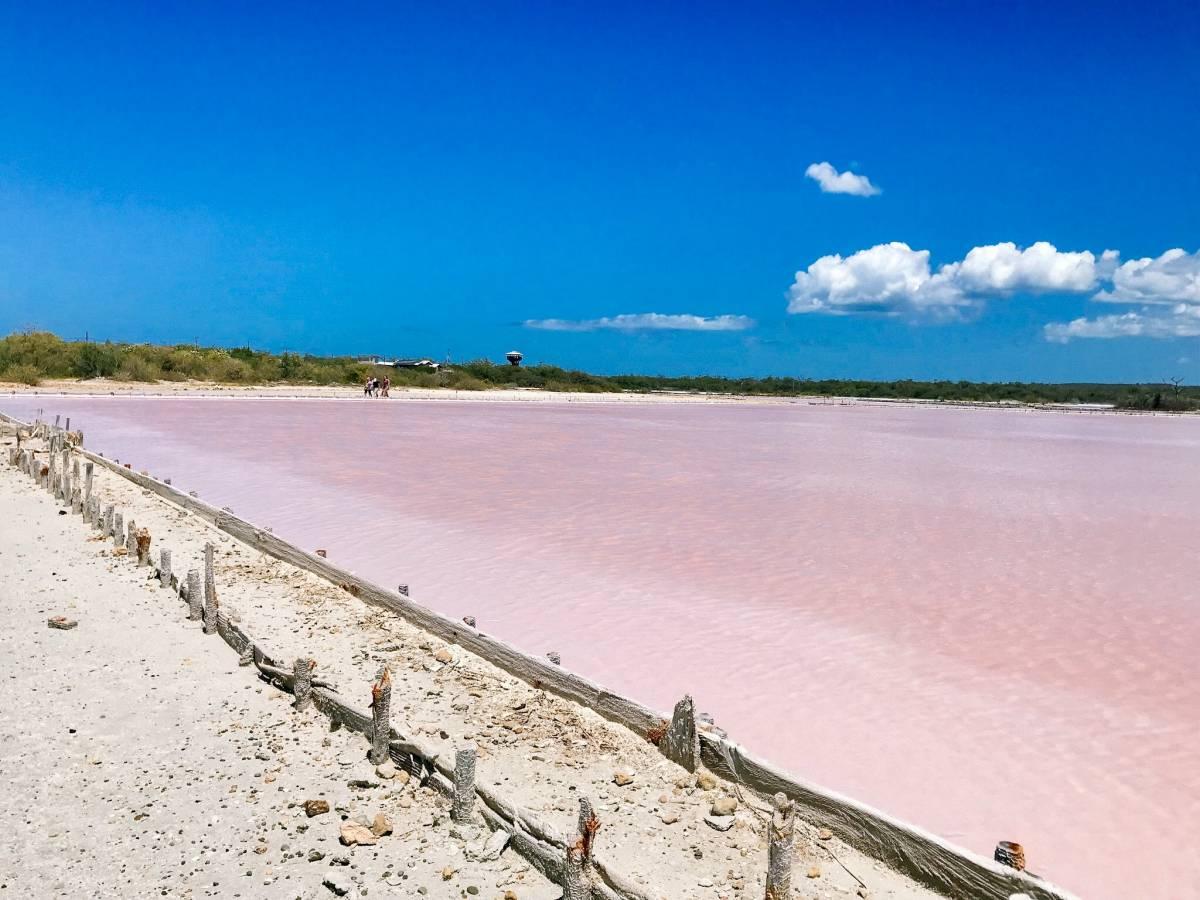
On Puerto Rico’s southwestern coast, just outside the historic town of Cabo Rojo, lies one of the island’s most visually striking and culturally significant landscapes: the Cabo Rojo Salt Flats, also known locally as Las Salinas de Cabo Rojo. With shallow reflective pools that shift in color from white to pink to soft lavender depending on light and season, the salt flats offer a side of Puerto Rico that feels completely different from its beaches, rainforests, and cities.
The Salt Flats are often visited alongside nearby highlights like Playa Sucia and Los Morrillos Lighthouse, making them an essential stop on any Cabo Rojo itinerary. Even a short visit here adds depth to a west coast trip, combining natural beauty with centuries of history.
What Are the Cabo Rojo Salt Flats?
The Cabo Rojo Salt Flats are part of a historic salt-harvesting area that dates back hundreds of years, long before modern industry reached the island. Salt production here played an important role in Puerto Rico’s economy, supplying a valuable resource used for food preservation and trade.
Today, the area is managed as part of a protected wildlife and conservation zone. While salt is no longer harvested on a large commercial scale, the shallow evaporation pools remain, creating the striking geometric patterns and pastel colors that make this area so unique.
Salinas de Cabo Rojo · ⭐ 4.1
Pole Ojea, Cabo Rojo, PR · Protected salt flats known for geometric salt ponds and birdlife.
Why the Salt Flats Look Pink
One of the most common questions visitors ask is why the salt flats sometimes appear pink. The color comes from a combination of algae, microorganisms, and high salinity levels in the water. Under certain conditions, these organisms produce pigments that tint the pools in shades of pink, rose, or light purple.
The effect varies depending on weather, time of day, and season. Early morning and late afternoon light often produce the most dramatic colors, making the salt flats a favorite stop for photographers and travelers looking for Instagram-worthy scenery that feels completely unexpected.
A Haven for Wildlife and Birdwatching
Beyond their visual appeal, the Cabo Rojo Salt Flats are an important habitat for wildlife. The area supports a variety of bird species, including migratory birds that stop here during seasonal movements. Flamingos, herons, and other shorebirds are occasionally spotted, especially during quieter times of day.
Because of this ecological importance, parts of the salt flats are protected, and visitors are encouraged to stay on designated paths and observation areas. This balance between access and preservation helps ensure the landscape remains intact for future generations.
🚧Current Restoration and Visitor Experience🚧
In recent years, sections of the Cabo Rojo Salt Flats and surrounding refuge areas have been undergoing restoration and infrastructure improvements. These efforts focus on habitat protection, mangrove restoration, and upgraded visitor facilities. While some access points and buildings may be limited at times, the salt flats themselves remain viewable and continue to be one of Cabo Rojo’s most photographed natural features.
Because conditions can change, it’s best to approach the visit as a scenic stop rather than a long, activity-based attraction. Most travelers spend 30 to 60 minutes exploring, walking observation areas, and taking photos before continuing on to nearby destinations.
How to Fit the Salt Flats Into Your Cabo Rojo Day
The Cabo Rojo Salt Flats work best as part of a half-day or full-day west coast itinerary. A classic and efficient plan looks like this:
- Morning: Visit the Cabo Rojo Salt Flats while temperatures are cooler
- Midday: Explore Los Morrillos Lighthouse and coastal cliffs
- Afternoon: Swim or relax at Playa Sucia
- Evening: Dinner in Boquerón or Cabo Rojo town
If you’re continuing your west coast journey, Cabo Rojo also pairs well with destinations like Buyé Beach and Boquerón Beach, both known for calmer waters and relaxed coastal vibes.
Best Time to Visit
Early morning and late afternoon are the best times to visit the Cabo Rojo Salt Flats. Midday sun can be intense, and there is limited shade in the area. Comfortable walking shoes, water, and sun protection are recommended.
Because the salt flats are exposed and reflective, lighting conditions can dramatically affect how the landscape appears. If photography is a priority, plan around sunrise or sunset for softer light and richer colors.
Is the Cabo Rojo Salt Flats Worth Visiting?
Yes—especially if you’re exploring Puerto Rico’s west coast. The Cabo Rojo Salt Flats offer something truly different: a stark, colorful landscape shaped by nature, history, and time. It’s not a beach, not a city, and not an adventure park—but it’s one of those places that makes a trip feel more complete.
When combined with nearby highlights like Playa Sucia, Los Morrillos Lighthouse, and the laid-back charm of Boquerón, the Salt Flats help showcase the diversity of Puerto Rico’s natural environments in a way few other destinations can.
Next: Continue exploring Puerto Rico’s southwest coast with a visit to La Parguera Bioluminescent Bay or enjoy calm Caribbean waters at Buyé Beach.
RELATED ARTICLES