Are Puerto Rico Beaches Public? What Visitors Need to Know
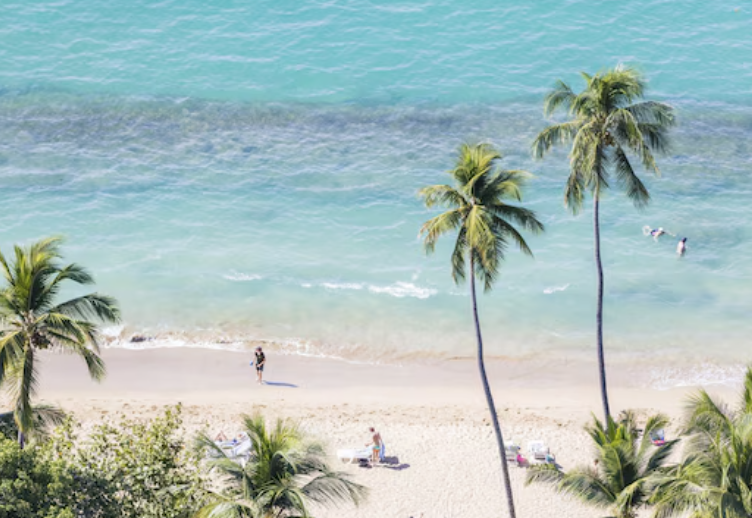
Yes—Puerto Rico’s beaches are widely recognized as public coastal spaces, and visitors are welcome to enjoy them. The confusion usually comes from what sits near the beach: hotels, condos, beach clubs, homes, and restaurants that look like they “own” the shoreline. But in Puerto Rico, the sand and coast are treated as shared spaces, even when development exists nearby.
This guide answers the question in plain language, explains why people get confused, and gives practical tips so you can access the beach respectfully without crossing boundaries or causing problems.
Why people think some beaches are private
In many destinations, beachfront property owners control the shoreline. Puerto Rico is different, but the optics can be misleading. You might see:
- Resorts placing chairs near the water
- Homes or condos built close to the coast
- “No trespassing” signs posted near entrances
- Security guards at hotel gates (which may control access routes, not the beach itself)
The most important distinction: private property and private access routes are not the same thing as a private beach. Even when the beach is public, certain paths to reach it may cross private land—which is why the best practice is to use clear public entrances.
What “public” looks like in practice
On a typical trip, “public beach” means:
- You can walk the shoreline and enjoy the coast.
- You should use public parking lots, signed access points, and common pathways.
- You shouldn’t cut through private yards, gated areas, or hotel-only spaces to reach the sand.
- You should respect posted rules about safety, lifeguard zones, and protected dunes or vegetation.
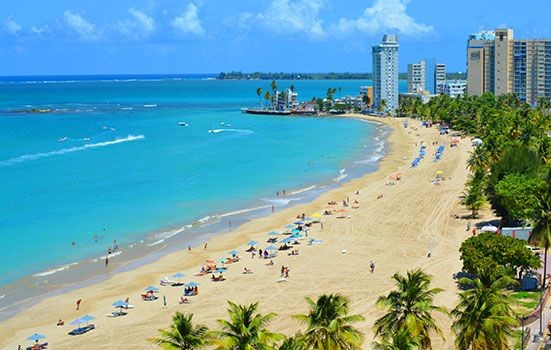
If you want easy, well-known public options with straightforward access, start with beaches like Isla Verde Beach, Escambrón Beach, or Luquillo Beach. These spots are popular for a reason: strong beach culture, clear access, and plenty of nearby options.
What about the “high tide line”?
You may hear the phrase “high tide line” used when people talk about public coastal space. The idea is that the shoreline up to the natural reach of high tide is treated as public. The details can be technical, and this article isn’t formal legal advice—but you don’t need to memorize statutes to be a respectful visitor.
Simple rule: use public access points, stay within the normal beach area, don’t push into vegetation, and don’t interfere with private structures or operations.
How to find public access without stress
- Look for municipal parking areas or main beach roads.
- Use mapped access points (your hotel concierge or local residents can point you to the standard entrance).
- Avoid shortcuts through gated communities or private driveways.
- Arrive earlier at popular beaches to secure public parking and avoid crowd pressure.
Are there beaches that feel “more public” than others?
Yes—mostly based on access and local culture. Some beaches have obvious public infrastructure: boardwalks, parking lots, restrooms, lifeguard stands, and food nearby. Others are more remote and depend on trails or small roadside pull-offs. Both can be public, but the visitor experience is very different.
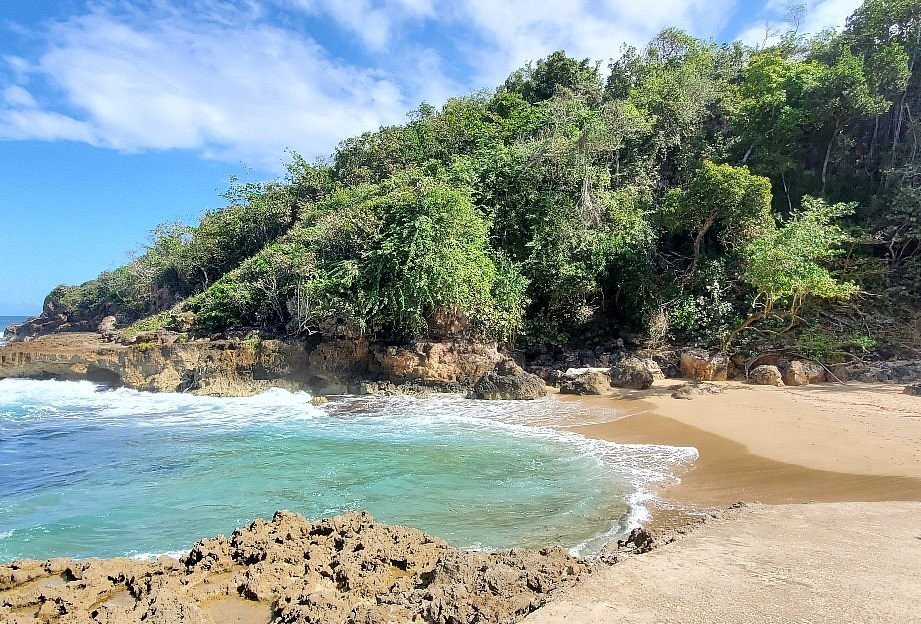
For a west coast public-beach town atmosphere, Boquerón Beach is a classic choice. For dramatic, wild scenery, Playa Sucia is often a favorite. For coastal rock formations and big visual payoff on the north coast, check out Puerto Nuevo Beach.
Respectful beach etiquette in Puerto Rico
- Leave no trace: pack out trash, avoid glass, and keep the beach clean.
- Respect locals: many families have visited the same beaches for generations.
- Support the community: buy local food, book tours with local operators, and tip well.
- Safety first: check flags, surf, and weather—especially on open-coast beaches.
If you’re building a beach itinerary across regions, use PuertoRicoBeachNetwork.com to explore guides, travel tips, and island-wide planning resources. Public beaches are one of Puerto Rico’s greatest gifts—enjoy them fully, and enjoy them thoughtfully.
RELATED ARTICLES