Gilligan’s Island Puerto Rico (Cayo Aurora Travel Guide)

Gilligan’s Island—officially known as Cayo Aurora—is a mangrove-covered cay just off the southwest coast of Puerto Rico near Guánica. Unlike a “big beach day” destination, this spot is all about calm, shallow water, natural mangrove channels, and a relaxed “float + snorkel + picnic” vibe that feels totally different from the island’s open-ocean beaches.
If you’re building an itinerary around Puerto Rico’s best nature experiences, Gilligan’s Island fits perfectly alongside iconic adventures like El Yunque Rainforest, Gozalandia Falls, and Camuy Caves.
What makes Gilligan’s Island special
Cayo Aurora is part of the Cayos de Caña Gorda—a small group of uninhabited, mangrove-lined keys. The mangroves create protected pockets of water that are typically gentle and easy to enjoy, which is why many visitors come here to simply wade, float, and snorkel in a calm environment.
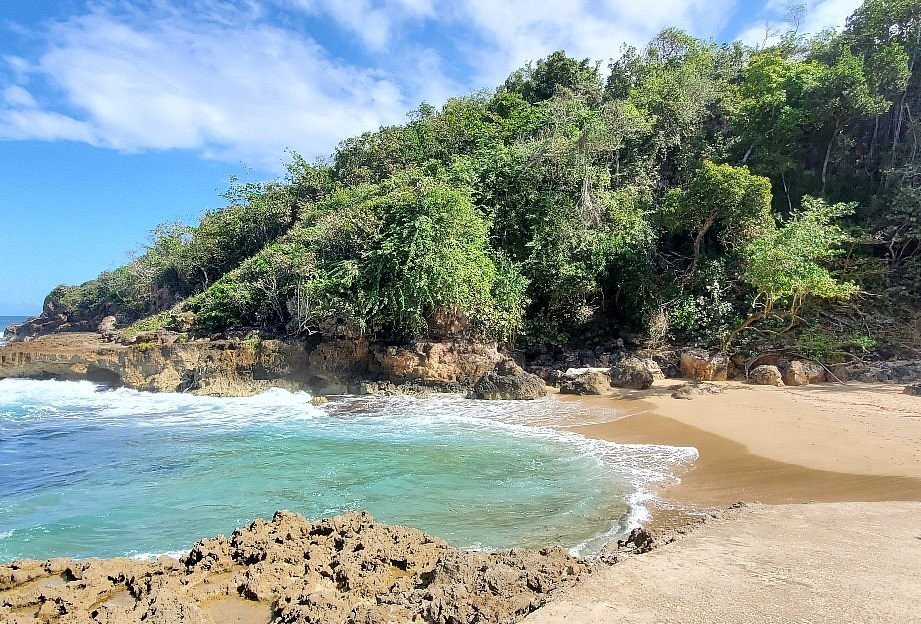
Instead of long stretches of sand, you’ll find a more “nature reserve” feel: mangrove edges, shallow turquoise patches, and quiet canals that make the whole place feel like a hidden lagoon. On a good day, it’s an ideal low-stress water day—especially for travelers who want something scenic without intense waves.
Where it is
Gilligan’s Island (Cayo Aurora) sits off the coast of Guánica on Puerto Rico’s southwest side. Many travelers pair it with a broader southwest itinerary—especially if they’re already planning stops around Cabo Rojo, Boquerón, and La Parguera.
For more southwest trip ideas, browse the Travel Guide and also experience Beach Passport™. This journey is created by your own physical souvenir passport book that guides visitors to Puerto Rico’s most beautiful beaches, signature experiences and to partner businesses along the way. Beach Passport™.
Gilligan’s Island (Cayo Aurora) · ⭐ Top-rated
Guánica, PR · Small mangrove cay with calm, shallow waters ideal for floating and snorkeling.
How to get to Gilligan’s Island
You generally reach Cayo Aurora by kayak or a local boat ride/tour. Access methods can change over time (and can depend on local conditions and operators), so if you’re visiting soon, it’s smart to confirm your exact plan with a tour provider before you drive out.
If you want the easiest experience, we recommend a guided tour. If you prefer to paddle and explore at your own pace, embark on you own kayak adventure.
What to do once you’re there
- Float + relax: This is one of those “bring a float and chill” places—especially in the shallow, protected water pockets.
- Light snorkeling: Clear, calm water makes it great for casual snorkeling (especially on calm days).
- Explore mangrove channels: The mangrove edges and canals are part of the magic—quiet, shaded, and very photogenic.
- Picnic-style day: Many visitors treat it like a bring-your-own day: snacks, water, and a simple setup.
What to bring
Gilligan’s Island is more “natural cay” than “full-service beach,” so packing smart makes a huge difference. Bring water, snacks, reef-safe sunscreen, and a dry bag for your phone/keys. If you’re snorkeling, bring your own mask (and ideally fins). Water shoes can help depending on where you enter and how you move around the shoreline.
Need a simple checklist? We keep an updated packing list on the Travel Guide page.
Where to eat and where to stay
If you’re doing Gilligan’s Island as a day trip, most people base themselves in the southwest (or do it as part of a longer road trip).
And if you’re stacking signature experiences, consider pairing Gilligan’s Island with La Parguera Bioluminescent Bay for an unforgettable “day + night” combo.
Good to know
Because this is a sensitive coastal environment, treat it like a nature reserve: don’t damage mangroves, don’t leave trash, and avoid stepping on marine life. Also, conditions vary—wind, tides, and water clarity can change the experience—so the best days are typically calm-weather days with good visibility.
RELATED ARTICLES