Are All Beaches in Puerto Rico Public? Laws & Access Explained

Puerto Rico’s coastline is one of the island’s greatest treasures—warm water, dramatic cliffs, calm bays, and long sandy stretches that feel like they belong in a postcard. And in a very real sense, they do belong to everyone. In Puerto Rico, beaches are considered public spaces, and visitors are welcome to enjoy them—so long as they do so responsibly and respectfully.
This guide explains what “public beaches” means in practical, visitor-friendly terms, and how to avoid the most common misunderstandings (like confusing beachfront hotels with private shorelines). If you’re planning your first trip—or returning to explore new coasts—this is the simple framework that will help you enjoy the island like a thoughtful guest.
What “public beaches” means in everyday terms
In Puerto Rico, the shore is treated as a shared resource. You may see resorts, homes, or restaurants near the water, but that does not mean the beach itself is private. Many beach towns have public access points, walking paths, and parking areas that lead to the shoreline—even when development exists nearby.
Visitors sometimes assume that “no trespassing” signs apply to the sand, when in reality they often apply to private property beyond the beach or to restricted access routes. The best approach is simple: use established public entrances, respect marked boundaries, and when in doubt, take the most obvious public path rather than cutting through someone’s yard or hotel grounds.
The high-tide concept (without the legal lecture)
You’ll occasionally hear people mention the “high tide line.” The general idea is that the shoreline up to the natural reach of high tide is treated as public coastal space. The exact interpretation can be nuanced, so treat this article as practical guidance—not formal legal advice. If you want to keep it simple: choose respectful access points, don’t block paths, and avoid setting up beyond the natural sandy area into vegetation or private structures.
How to access beaches respectfully
- Use public entrances. Look for municipal parking lots, signed access trails, and main beach roads—especially in popular areas.
- Don’t block gates or driveways. Even near the ocean, neighborhoods and businesses need clear access.
- Keep noise reasonable. Puerto Rico beach culture can be social and lively, but respect the vibe of the specific place and time of day.
- Pack out what you bring. Trash is the fastest way to turn paradise into a problem for locals.
- Respect dunes and vegetation. The coastal edge is fragile; staying on clear paths protects the shoreline long-term.
Public beaches aren’t “free-for-all” beaches
Public does not mean unregulated. Some beaches have posted rules, safety flags, lifeguard hours, or restrictions on glass containers, fires, and loud music. Conditions change with weather, and some beaches have stronger surf, riptides, or rocky entries. If you’re unsure, choose calmer, well-known swimming areas—or book a guided water activity.
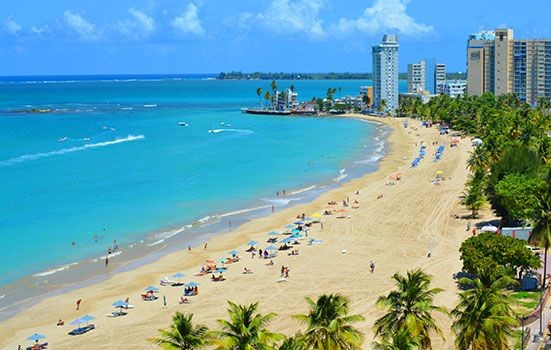
If you’re looking for calmer, more family-friendly shorelines, start with places like Isla Verde Beach for convenience near San Juan, Luquillo Beach for classic beach-day energy, or Escambrón Beach for a popular metro-area shoreline with an easygoing vibe.
Where visitors get tripped up (and how to avoid it)
Myth #1: “If there’s a resort, it’s a private beach.”
Resorts may manage the area behind the sand (chairs, bars, pools), but the shoreline itself is generally treated as public. Use public access routes and avoid wandering through restricted hotel areas.
Myth #2: “If I’m quiet, I can cut through anywhere.”
The beach may be public, but many shortcuts are not. Use public paths and you’ll never have a problem.
Myth #3: “All beaches are safe for swimming.”
Puerto Rico has everything from calm bays to powerful Atlantic breaks. When you want a safer water day, choose calmer coasts or book a guided snorkel/boat experience via our network activity pages.
Explore Puerto Rico with a “steward” mindset
The easiest way to honor Puerto Rico’s public beach culture is to treat each place like someone’s home—because it is. Buy from local businesses, tip well, avoid trespassing routes, and keep the beach cleaner than you found it.
If you’re exploring multiple regions, our network makes it easy to hop coast-to-coast: head west to Crash Boat Beach, explore unique north coast scenery at Mar Chiquita Beach, or plan a day trip to Puerto Rico Beach Network travel guides for routes, tips, and seasonal advice.
Bottom line: Puerto Rico’s beaches are public—and visitors are welcome. Use public access points, respect boundaries, leave no trace, and you’ll experience the island the way it’s meant to be enjoyed: openly, beautifully, and shared.
RELATED ARTICLES